.svg)



DURATION


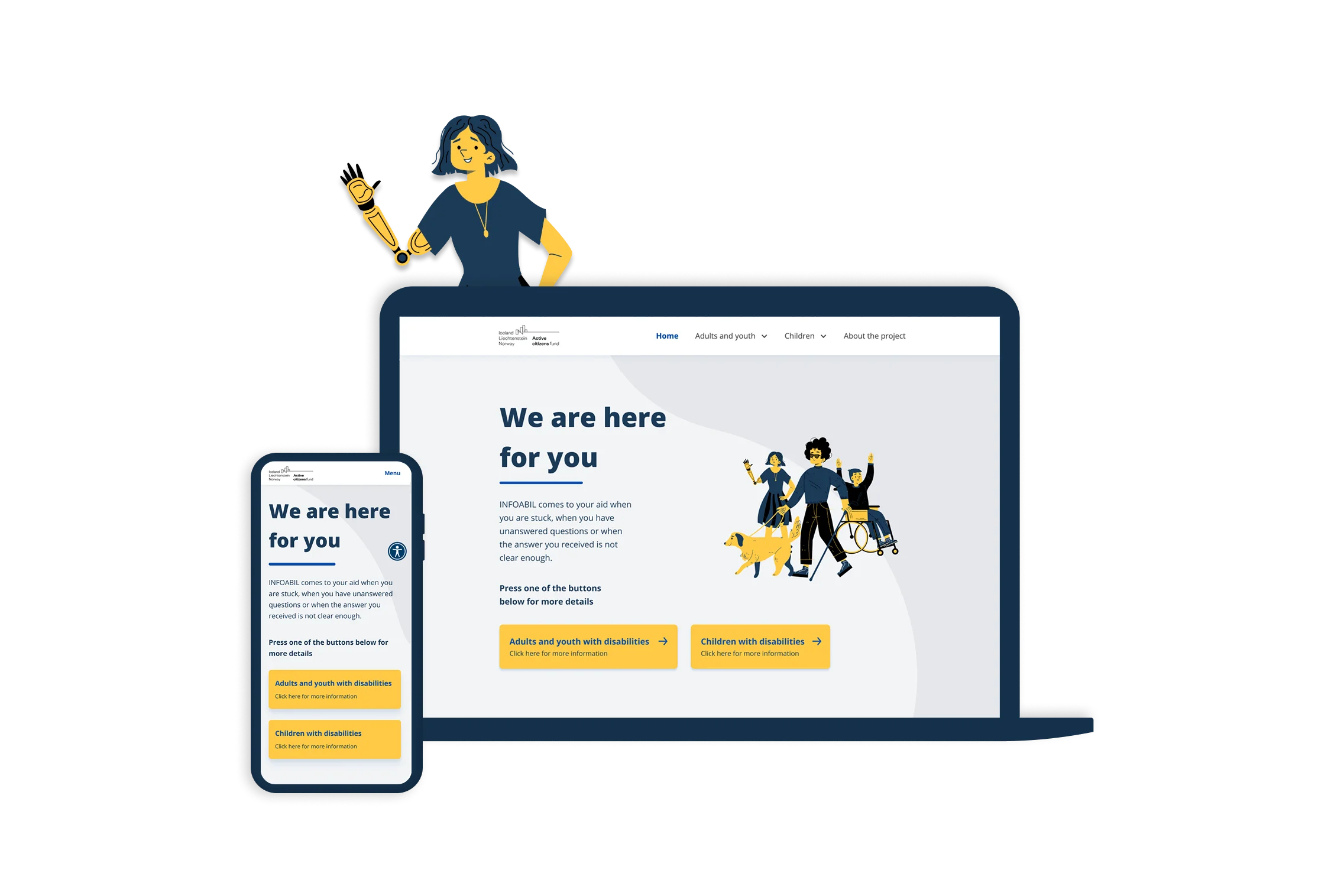

Infoabil is a free, web-based informational platform created to support people with disabilities in Romania by making complex legal and administrative processes more accessible. From preparing employment or reassessment files to understanding their rights and accessing available benefits, the platform serves as a single, simplified hub that empowers users with clarity and confidence.
Designed as part of the broader ACCESS HUB project led by the Bethany Social Services Foundation, Infoabil is more than a digital tool, it’s a civic initiative to promote active citizenship, social integration, and equity.

Despite legal protections, people with disabilities in Romania often face a severe lack of access to clear, centralized, and accessible information. Most websites fail to meet accessibility standards, and important documents are scattered across various platforms in complex legal language. This creates a significant barrier to autonomy and civic participation.


The platform was developed for Romanian users with disabilities and their caregivers, regardless of age, region, or level of digital literacy.

Legal and public service information in Romania is often difficult to navigate. Infoabil's mission was to translate bureaucratic processes into clear, actionable guidance while also ensuring true digital accessibility through adaptive UI tools and inclusive design.


Bethany Foundation sought to solve two major problems:
1. The lack of fully accessible online platforms for people with disabilities in Romania.
2. The fragmentation and complexity of legal and procedural information regarding disability rights, documentation, and services.
These challenges left many users feeling overwhelmed, uninformed, and unsupported when navigating their rights or social integration efforts. Without a centralized, inclusive digital resource, people with disabilities and their caregivers were required to rely on disconnected, hard-to-read sources or expensive third-party tools to complete even the simplest administrative tasks.


Bethany Foundation partnered with Linnify to create Infoabil, an inclusive and simplified informational web platform. Built using Webflow and integrated with UserWay.org’s accessibility plugin, the platform ensures usability for individuals with visual impairments and other accessibility needs.
The core goal of the platform is to offer straightforward explanations of legislative processes related to disability classification, reevaluation, employment, and personal assistance, alongside key benefits and rights information.
Linnify’s team led a user-centered approach, beginning with discovery interviews with people with disabilities to understand their specific needs, challenges, and digital behavior. This allowed the team to tailor the structure, language, and accessibility features accordingly.By centralizing all relevant procedures and offering them in a clean, structured, and accessible format, Infoabil became a supportive, empowering space for users who often feel unseen in digital civic infrastructure.
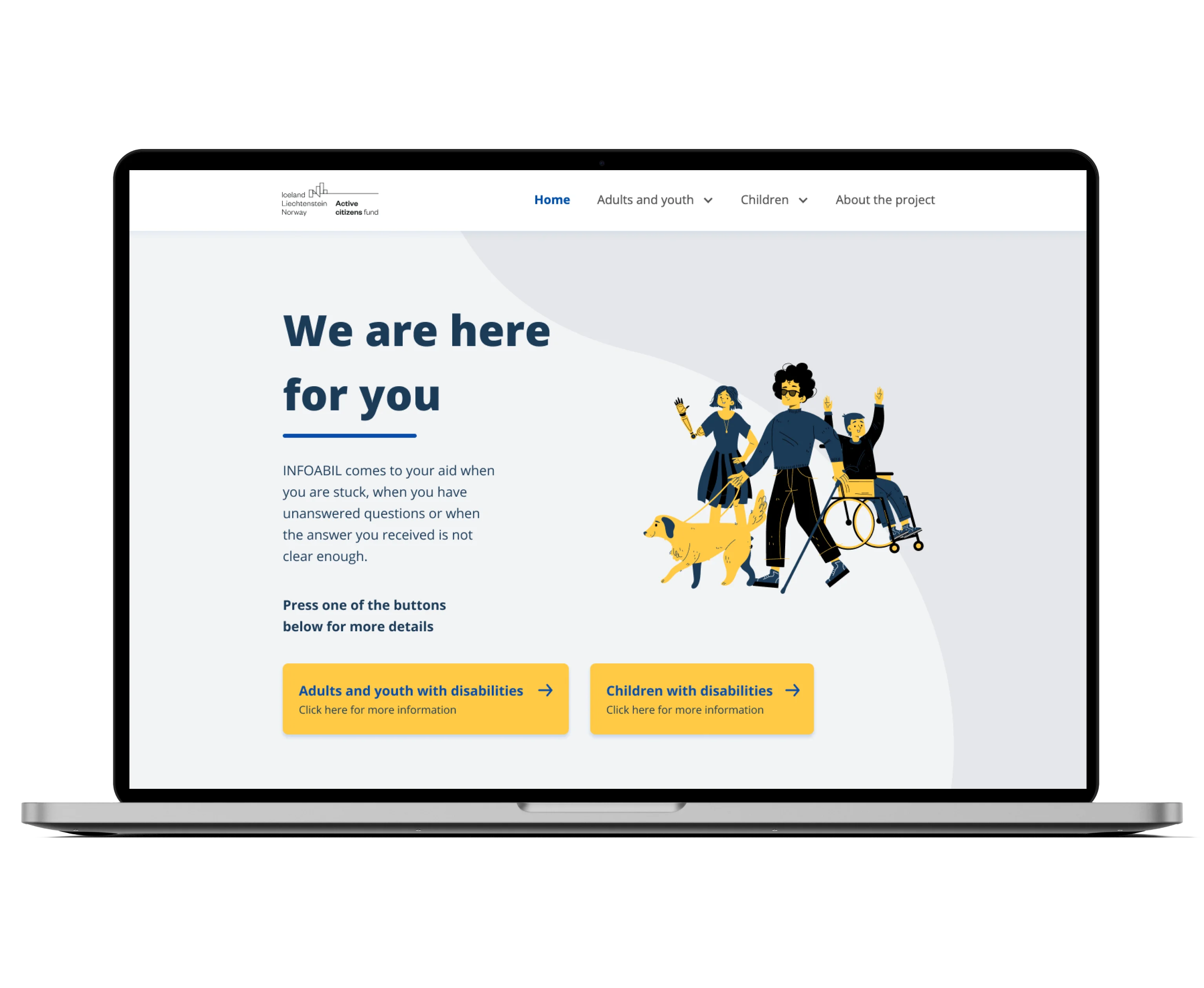

Linnify led the full strategy, design, and implementation of the Infoabil platform, ensuring it met both accessibility standards and the informational needs of its intended users.





Infoabil stands as a proof of what can happen when user empathy and digital design come together. The platform has already made accessing information easier for people with disabilities in Romania, while also setting a new standard for inclusivity in public digital tools.

This project deepened Linnify’s capabilities in accessible design, content simplification, and collaboration with civic and nonprofit stakeholders. It also showcased the impact of bringing users into the design process, not just as testers, but as co-creators.
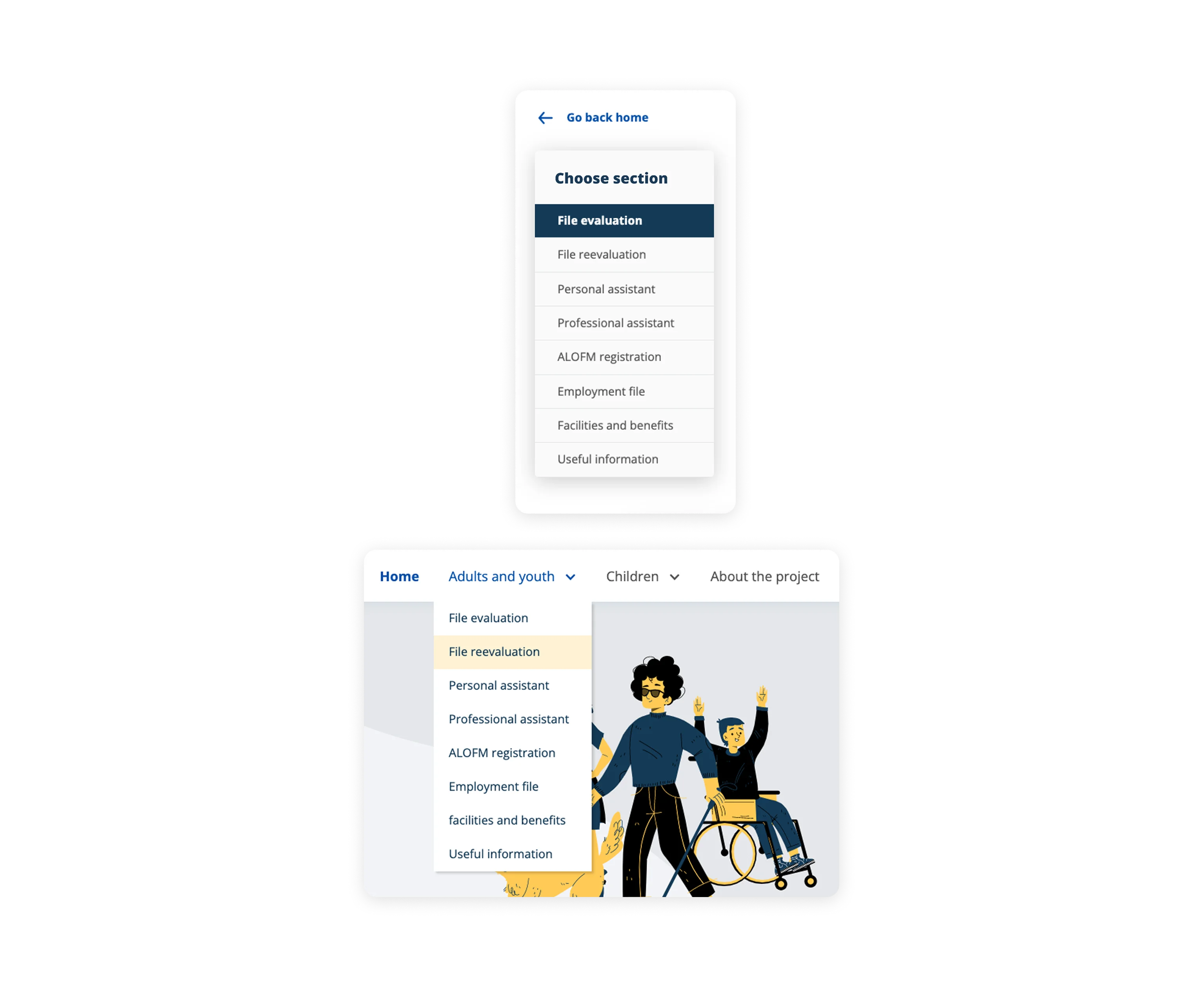

Infoabil is an inclusive informational platform built for people with disabilities in Romania and their caregivers. It helps users navigate legal procedures, documentation, and available benefits with clarity and ease.
The platform centralizes clear guidance on disability classification, reassessment, employment support, personal assistance, and user rights, presented in simplified, user-friendly language.
Yes. The platform integrates UserWay.org’s accessibility widget to support users with visual impairments and meet global accessibility standards.
The entire platform, from user research and wireframes to Webflow implementation, was designed and launched in under 2 months by Linnify.
Infoabil was developed by the Bethany Social Services Foundation as part of the ACCESS HUB project, in collaboration with Linnify. The goal was to improve social inclusion and civic access for people with disabilities.
Real users with disabilities were involved from the beginning through interviews and validation workshops, ensuring the platform was designed with empathy and accuracy.
Infoabil was built in Webflow with integrated accessibility features from UserWay. The UX/UI was designed in Figma following accessibility and user-centered design best practices.